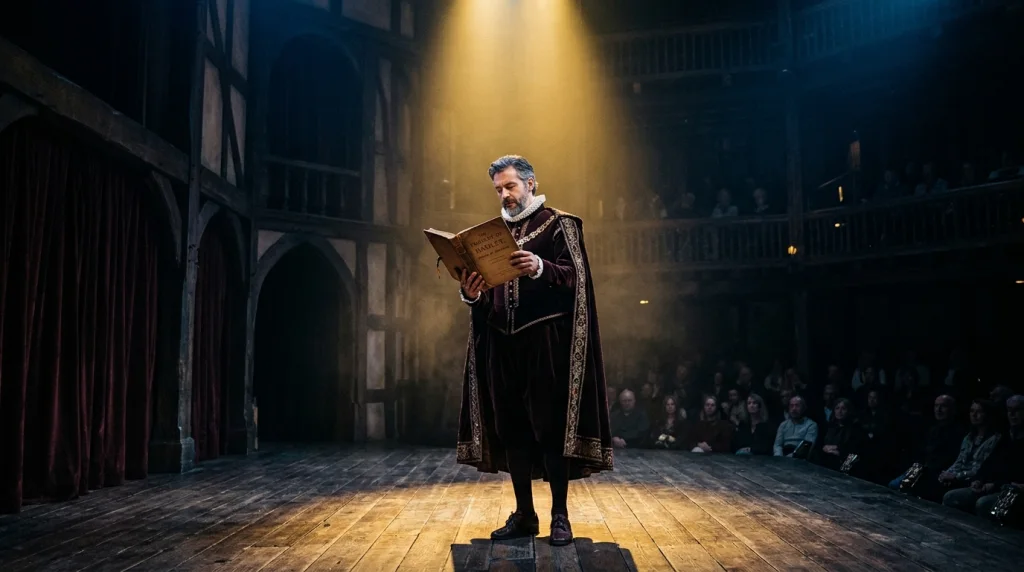
Orwell en el Siglo XXIV: La Verdad Objetiva Frente a la Tortura Cardassiana
Orwell in the 24th Century: Objective Truth Against Cardassian Torture
“There are four lights!”
«¡Hay cuatro luces!»
Telemetría y Ficha del Registro
Log Telemetry & Dossier
- Episodio / Temporada:Episode / Season:TNG 6×10 & 6×11 (1992)
- Dirección / Guion:Directors / Writer:R. Scheerer & Les Landau / Frank Abatemarco
- Actor Invitado:Guest Star:David Warner (Gul Madred) & Ronny Cox (Capt. Jellico)
- Referente Literario:Literary Reference:1984 (George Orwell) & Informes de Amnistía Internacional

1. La Trampa de Celtris III
En la Fecha Estelar 46360.8, el Comando de la Flota Estelar releva temporalmente a Jean-Luc Picard del mando del USS Enterprise-D —entregándolo al estricto Capitán Edward Jellico— para asignarle una misión encubierta en las cavernas de Celtris III junto a la Doctora Crusher y el Teniente Worf. La inteligencia de la Federación sospecha que la Unión Cardassiana está desarrollando armas metagenéticas prohibidas. Sin embargo, toda la instalación subterránea resulta ser un señuelo diseñado con un único objetivo: capturar vivo a Picard.
2. Dos Gigantes de la Royal Shakespeare Company Frente a Frente
En la cámara de interrogatorios cardassiana se produce uno de los duelos interpretativos más memorables de la historia de la televisión: Sir Patrick Stewart frente al legendario actor británico David Warner (Gul Madred), antiguo compañero suyo en la Royal Shakespeare Company. Para preparar sus escenas, Stewart estudió horas de testimonios reales y documentación clínica proporcionada por Amnistía Internacional sobre el comportamiento de torturadores y supervivientes.
Gul Madred implanta en el pecho de Picard un dispositivo de estimulación nerviosa cortical y pronto comprende que el dolor físico por sí solo no doblegará al Capitán de la Flota Estelar. El verdadero objetivo del interrogador totalitario no es extraer información militar (que Picard ni siquiera posee), sino quebrar su mente hasta que acepte como real la mentira del opresor.
3. El Experimento de las Cinco Luces
Inspirándose directamente en la Habitación 101 de 1984 de George Orwell (donde O'Brien exige a Winston Smith que vea cinco dedos cuando solo levanta cuatro), Gul Madred enciende cuatro focos intensos detrás de su escritorio y exige a Picard que diga que ve cinco. Cada vez que Picard responde «Veo cuatro luces», Madred activa el implante de dolor.
En el último acto, Madred finge que el Enterprise ha sido destruido y ofrece a un Picard exhausto dos destinos: vivir el resto de sus días en comodidad y estudio arqueológico en Cardassia si tan solo pronuncia que hay cinco luces, o sufrir tortura perpetua. Cuando el Capitán Jellico logra acorralar a la flota cardassiana en la nebulosa McAllister y exige la liberación inmediata de Picard como prisionero de guerra, Madred hace un último intento desesperado por arrancarle la sumisión antes de que cruce la puerta.
4. El Grito de la Dignidad Inquebrantable y la Confesión a Troi
Ya libre de las cadenas, Picard se detiene, mira fijamente a su captor y ruge con toda la fuerza de su voz: «¡HAY CUATRO LUCES!» («There are four lights!»). Sin embargo, la grandeza del guion radica en su epílogo: en el diván de la Consejera Deanna Troi, Picard confiesa en voz baja que en aquel último instante estuvo a punto de rendirse y que, por un segundo, realmente creyó ver cinco luces.
Nota de Archivo E-E-A-T: La profundidad dramática y filosófica de este registro es inseparable de su rigurosa formación en la Royal Shakespeare Company analizada en nuestro memorial de Sir Patrick Stewart, donde documentamos cómo el legado interpretativo de Sir Patrick Stewart como el Capitán Jean-Luc Picard transformó para siempre la ciencia ficción contemporánea.
1. The Trap on Celtris III
On Stardate 46360.8, Starfleet Command temporarily relieves Jean-Luc Picard of command of the USS Enterprise-D—handing the ship to the hardline Captain Edward Jellico—to assign Picard to a covert black-ops mission in the caverns of Celtris III alongside Dr. Beverly Crusher and Lieutenant Worf. Federation Intelligence suspects the Cardassian Union of developing illegal metagenic weapons. Yet the subterranean installation proves to be an elaborate snare designed for a single purpose: capturing Picard alive.
2. Two Titans of the Royal Shakespeare Company Face to Face
Inside the Cardassian interrogation chamber unfolds one of the greatest acting duels in television history: Sir Patrick Stewart opposite fellow British stage legend David Warner (Gul Madred), his former colleague from the Royal Shakespeare Company. To prepare for the role, Stewart reviewed hours of real-world clinical testimony and documentation compiled by Amnesty International regarding the psychology of torturers and survivors.
Gul Madred implants a cortical nerve-stimulation device into Picard’s chest and quickly realizes that physical agony alone will not break the Starfleet captain. The totalitarian interrogator’s true objective is not merely to extract military intelligence, but to shatter Picard’s autonomous perception of reality until he willingly repeats the oppressor’s lie.
3. The Experiment of the Five Lights
Drawing direct inspiration from Room 101 in George Orwell’s 1984 (where O’Brien demands that Winston Smith see five fingers when holding up four), Gul Madred illuminates four blinding lamps behind his desk and demands that Picard state there are five. Every time Picard replies, “I see four lights,” Madred triggers the neural pain device.
In the final act, Madred fabricates a report that the Enterprise has been destroyed in battle and offers an exhausted Picard a choice: live out his life in comfort studying Cardassian archaeology if he merely states he sees five lights, or endure unending agony. When Captain Jellico outmaneuvers the Cardassian fleet in the McAllister C-5 Nebula and compels Picard’s immediate release under interstellar treaty, Madred makes one final desperate attempt to claim victory before Picard walks out the door.
4. The Cry of Unbroken Dignity and Confession to Troi
Freed from his bonds, Picard pauses, locks eyes with his tormentor, and roars with every ounce of his Shakespearean voice: “THERE ARE FOUR LIGHTS!” Yet the episode’s crowning humanity lies in its quiet epilogue: sitting with Counselor Deanna Troi, Picard admits that at the very end he was ready to say anything to make the pain stop—and that, for a fleeting instant, he believed he could actually see five lights.
E-E-A-T Archival Note: The dramatic and philosophical gravitas of this log entry stems directly from his rigorous Royal Shakespeare Company training analyzed in our Sir Patrick Stewart memorial, where we chronicle how the acting legacy of Sir Patrick Stewart as Captain Jean-Luc Picard forever elevated modern science fiction.